
Home › Paint and moisture-damaged surfaces
Topic
Paint and moisture-damaged surfaces
Peeling, bubbling and stained paint is usually moisture doing damage under the film. How to read the pattern, fix the water first, prepare the surface properly, and the two safety checks before sanding anything in an older home.
Start here
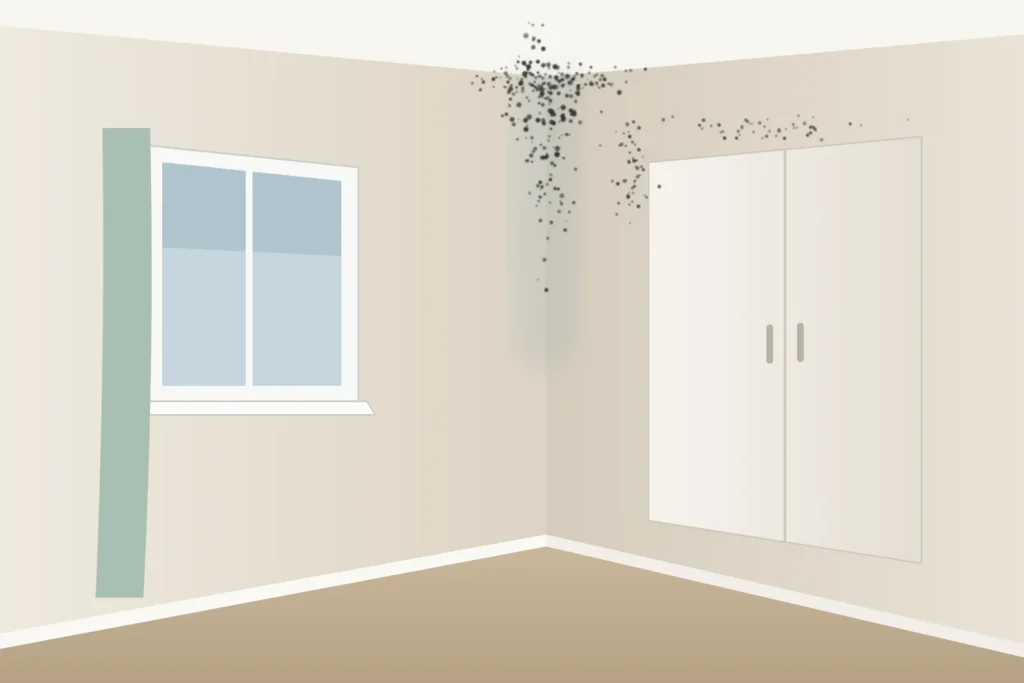
Paint fails in two ways: water gets behind the film, or the film never bonded to the surface. Moisture is the usual reason in bathrooms and kitchens, on ceilings under bathrooms and roofs, and in outside-wall corners; poor preparation is the usual reason everywhere else. The distinction matters because a repaint over a damp cause lasts a season, and a “damp seal” paint on a wall that is wet from outside traps the water in the wall.
Every guide in this topic follows the same order: find and fix the moisture, let the surface dry, remove what is loose, treat any mould, prime, then paint. And every one carries the same two checks for older homes: paint applied before 1992 may contain lead (UKHSA), so it should not be dry-sanded without a test, and textured coatings in homes built or refurbished before 2000 may contain asbestos (HSE) and must not be sanded, scraped or drilled.
Which guide do you need?
| What you are seeing | Points to | Read |
|---|---|---|
| Paint peeling or bubbling in a bathroom, kitchen or cold corner | Condensation under the film | Why is paint peeling off my walls or ceiling? |
| Bubbles or a stain that grows after rain | Water coming through from outside | Penetrating damp |
| A brown ring on the ceiling | A leak or roof fault above | Damp patch on the ceiling |
| Black spots on or under the paint | Surface mould; treat before painting | How to remove mould from walls |
| Flaking low on a ground-floor wall with white salts | Moisture and salts in the plaster | Rising damp signs and look-alikes |
Guides
Peeling
Why is paint peeling off my walls or ceiling?
Moisture behind the film or poor preparation under it: the pattern table, the fix in order, and the lead and asbestos checks.
Sources: Dulux, UKHSA, HSE, Energy Saving Trust
Mould
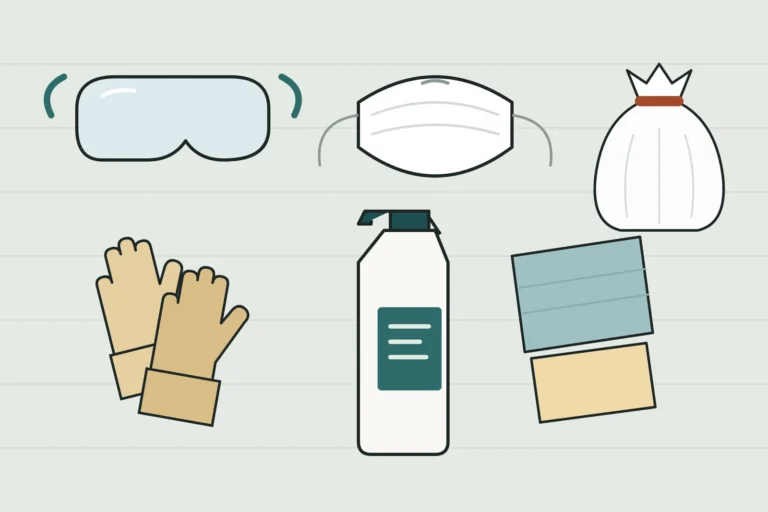
How to remove mould from walls
Clean and dry the surface before any paint goes on, and when fungicidal paint helps.
Sources: GOV.UK, Oxford City Council
Ceilings
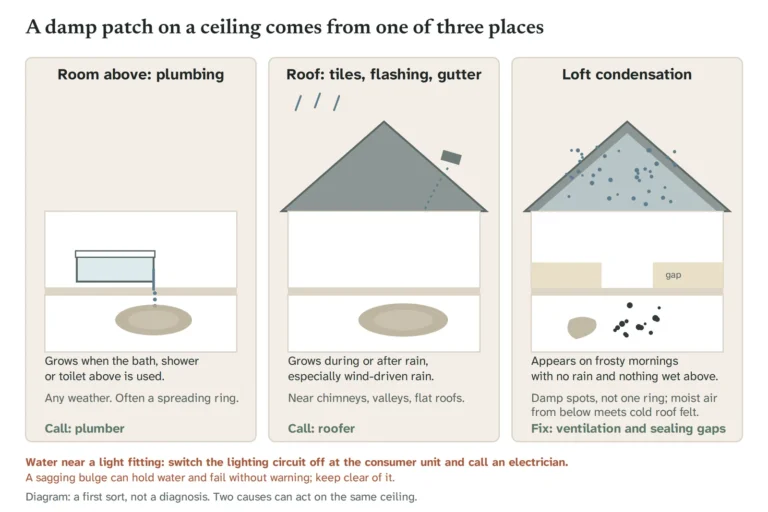
Damp patch on the ceiling
Find the source before you fix the stain: plumbing above, the roof, or loft condensation; then dry, stain-block, paint.
Sources: GOV.UK, Energy Saving Trust, HSE
The order that makes paint last
- Stop the water. Ventilation and warmth for condensation; the gutter, sill, flashing or pipe for anything else.
- Let it dry. Days for a lightly condensed ceiling; weeks or months for a wall that was wet through. Redecorating too soon wastes the paint.
- Remove everything loose, back to a firm edge, with the safety checks above.
- Treat mould with a mould and mildew product, never by painting over it (Oxford City Council).
- Fill, sand, prime: a mist coat on bare plaster, a stabilising primer on powdery surfaces, a stain-blocking primer over water marks.
- Paint for the room: a bathroom or kitchen paint where there is steam, a fungicidal paint where mould has been a problem and the cause is fixed.
What anti-mould and anti-condensation paints can and cannot do
A fungicidal paint slows regrowth on a cleaned, dry surface; it does not stop condensation. An anti-condensation paint keeps the painted surface a touch warmer or absorbs a little moisture; it does not remove water from the air or warm the wall behind it. Both are a last line of defence after ventilation, heating and insulation, not a substitute. See condensation on walls for the honest ranking.
Safety
Do not dry-sand or burn off paint that may pre-date 1992 without testing for lead (UKHSA). Do not sand, scrape or drill textured coatings in a home built or refurbished before 2000 (HSE: asbestos). Ventilate while painting and follow the tin.
If you rent
Decoration is usually the tenant’s; the moisture cause behind failing paint (a cold uninsulated ceiling, a leak, a broken fan) is the landlord’s. Report the cause in writing with dated photographs.
Coming next in this topic
Guides in preparation: why paint bubbles, stain block paint for water stains and mould marks, covering water stains on a ceiling, anti-mould paint, and preparing and repainting walls after damp. Several need a completed repair to photograph; no fixed dates.
Next step
Why is paint peeling off my walls or ceiling? Causes and how to fix it
Start with the pattern table.